The Challenge: Making Complex Social Issues Understandable
The Archibald Project faced a challenge common to many nonprofits: how do you communicate complex, emotionally-charged social issues in a way that inspires people to take action?
Their mission is powerful: advocating for vulnerable children and reimagining how we approach orphan care. But power and clarity aren't the same thing.
They needed to educate supporters about:
The difference between institutional and family-based care models
The "why" behind orphan prevention and family preservation efforts
The cascading impact of community-based approaches to care
How donors and volunteers can make a tangible difference
The problem: Static blog posts and text-heavy presentations weren't working. Supporters scrolled past. Donors understood the mission conceptually but not emotionally. Calls-to-action got lost in the details.
They needed a way to make abstract concepts like "What is a family?" and "How do we reimagine orphan care?" instantly understandable and emotionally compelling.
The Solution: Explainer Animation as Advocacy Tool
We created a series of educational explainer animations designed to transform their written advocacy content into engaging visual stories that anyone could understand, regardless of background or language.
The series included:
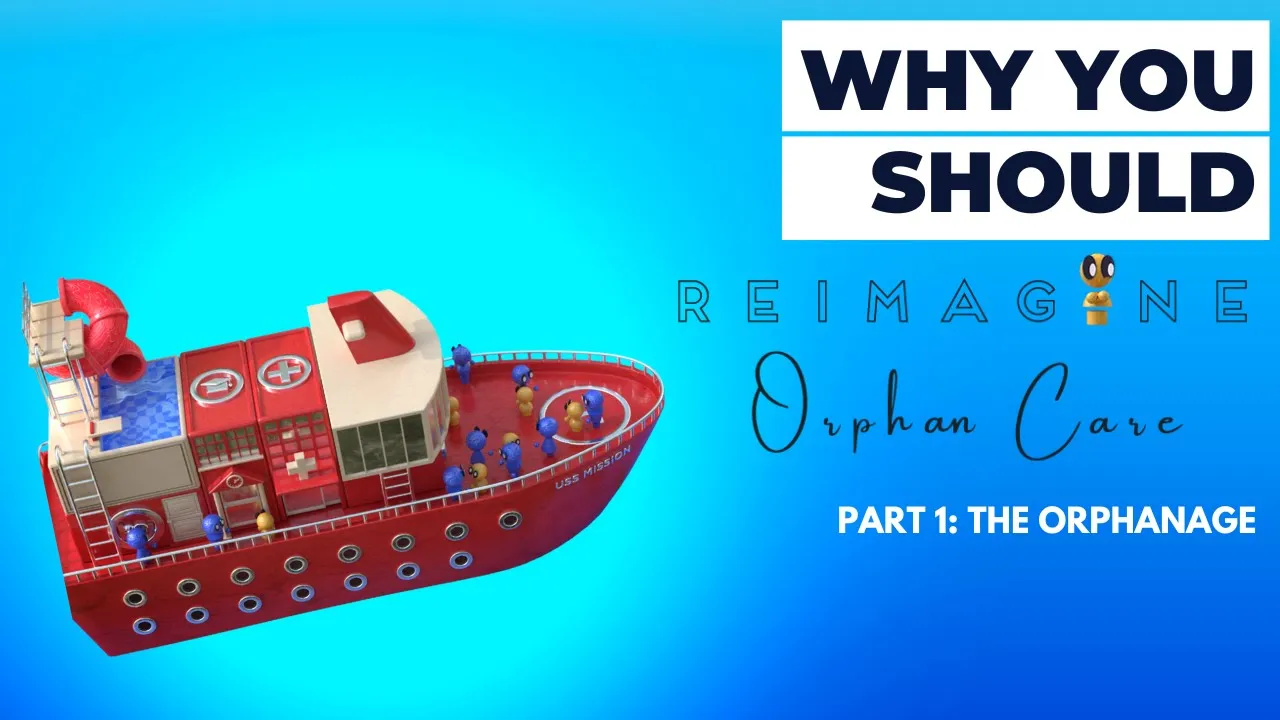
"What is a Family?" A foundational piece exploring why family-based care matters for vulnerable children's development and well-being. This video established the emotional and developmental "why" behind their advocacy work.
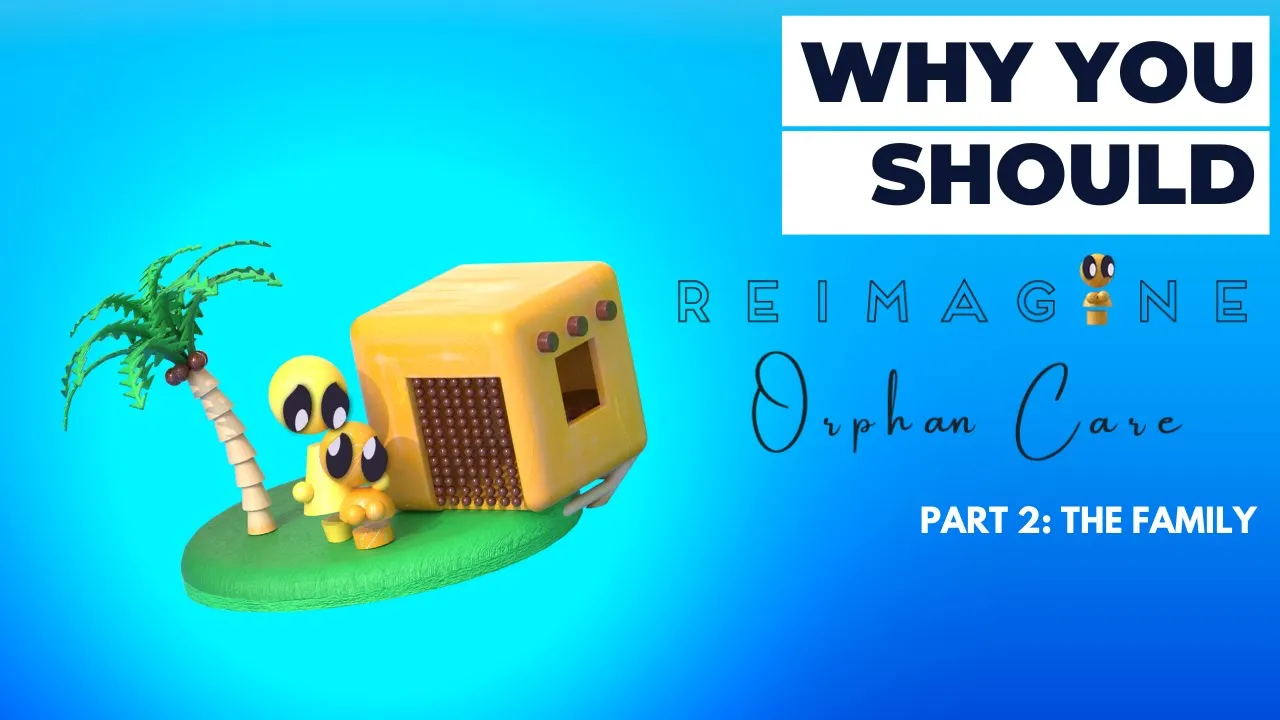
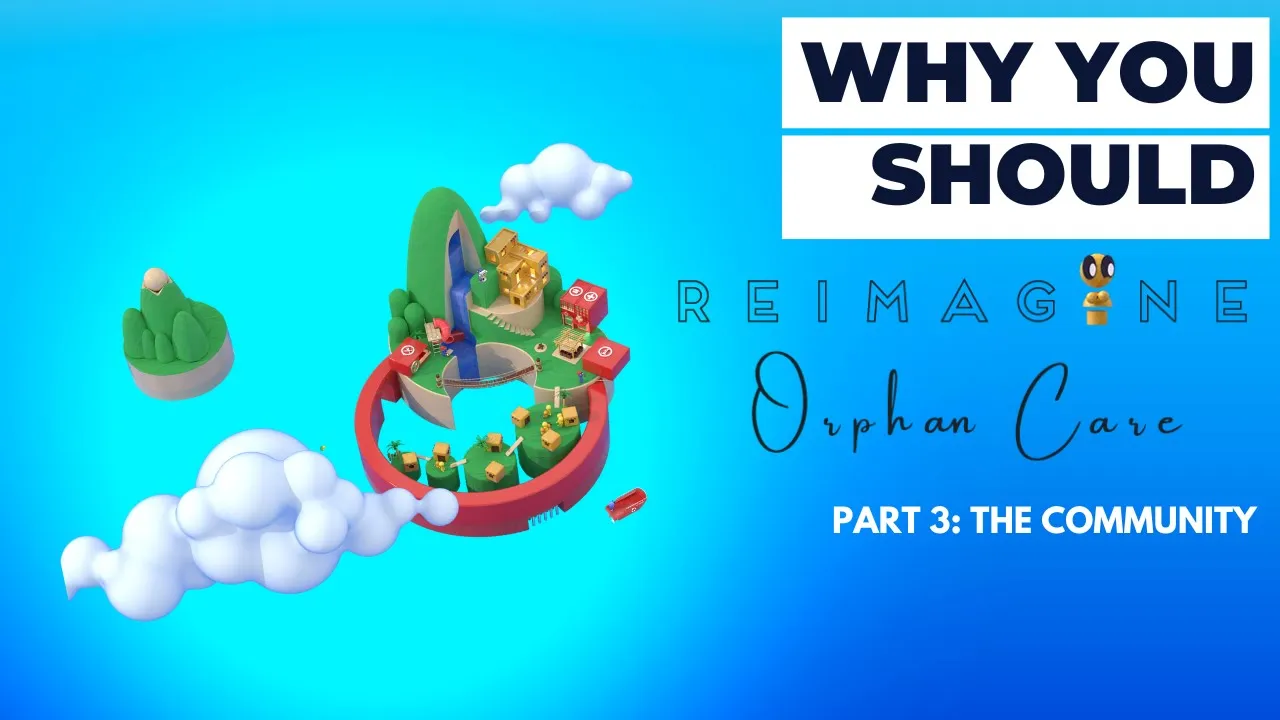
"Reimagine Orphan Care - The Family" An exploration of how communities can actively support families and prevent orphan crises before they happen. This addressed the prevention angle of their mission.
"The Orphan Care Spectrum" A visual breakdown of the continuum of care—from prevention and family preservation to foster care and adoption. This showed the full ecosystem of their work.
Our Approach
Simplified Complex Topics We took academic research and policy advocacy and distilled it into clear 60-90 second narratives. The goal wasn't to oversimplify—it was to make the core ideas accessible without losing nuance or impact.
Created Emotional Connection Statistics alone don't move people. We used character-based storytelling and thoughtful pacing to make the data human. Viewers didn't just understand the problem; they felt why it mattered.
Built a Consistent Visual Style We developed a warm, hopeful aesthetic that aligned with The Archibald Project's brand and mission. The animation style communicated hope and possibility—not tragedy or desperation. This was crucial for maintaining emotional resonance without manipulation.
Made it Shareable We optimized the content for multiple contexts: social media, email campaigns, church presentations, fundraising events, and educational settings. Each video worked as a standalone piece and as part of a larger narrative.
The Results
Global Reach: The videos were viewed all over the world, impacting people in multiple countries who speak different languages. What started as educational content for US donors became a globally relevant advocacy tool.
Mission Impact: The animations became core educational tools in The Archibald Project's advocacy work. Churches, nonprofit partners, and educational institutions adopted them. Donors, volunteers, and potential foster and adoptive families could finally understand the mission clearly—not just intellectually, but emotionally.
Engagement: The shift from text-based content to video was dramatic:
Significantly higher engagement than previous content
Increased time spent on website
More meaningful conversations with supporters who "finally got it" after watching
Higher click-through rates on donations and volunteer sign-ups
Why This Matters: Animation as Advocacy
The Archibald Project case study demonstrates a critical insight: the best advocacy tool isn't always more information—it's better communication.
Nonprofits often struggle because they have important messages but lack the resources to communicate them effectively. They compete for attention in crowded information environments where text-based content gets scrolled past and statistics feel abstract.
Animation solves this because it:
Simplifies without oversimplifying. Complex social issues can be presented clearly without losing nuance or emotional weight
Creates retention. People remember visuals more than text. A well-crafted animation sticks with viewers long after they've forgotten a blog post
Builds empathy. Stories—especially visually-told stories—create emotional connection that statistics cannot
Reaches globally. Thoughtful animation with minimal text transcends language barriers, expanding reach beyond the organization's home country
Drives action. When people truly understand and emotionally connect with a mission, they're more likely to donate, volunteer, or share the message
For The Archibald Project, animation became more than a nice-to-have. It became central to their advocacy strategy and their ability to mobilize supporters.
Key Takeaway
The most important work isn't always the most visible. Sometimes it's the explainer video that helps a donor finally understand why their contribution matters. Sometimes it's the animation that helps a potential foster parent see themselves in the mission.
Motion design at its best isn't decoration—it's clarity. It's taking complex ideas and making them accessible. It's turning information into understanding, and understanding into action.
For nonprofits, social enterprises, and mission-driven organizations, that's not just marketing. That's movement building.
Services Provided
Explainer animation, educational video production, nonprofit storytelling, motion graphics, scriptwriting, voiceover production
Impact Metrics
Global viewership across multiple countries
Adopted by churches and nonprofit partners as educational tool
Increased donor engagement and understanding
Higher website engagement and conversion rates